In short: Ecuhawk runs on Ubuntu 24.04 and Windows 10/11 with the same projects and features. On Linux it uses SocketCAN, so adapters with a SocketCAN driver, including many PEAK and Kvaser interfaces, can be used. Adapter testing on Linux is part of the beta.
Why Linux matters for ECU testing
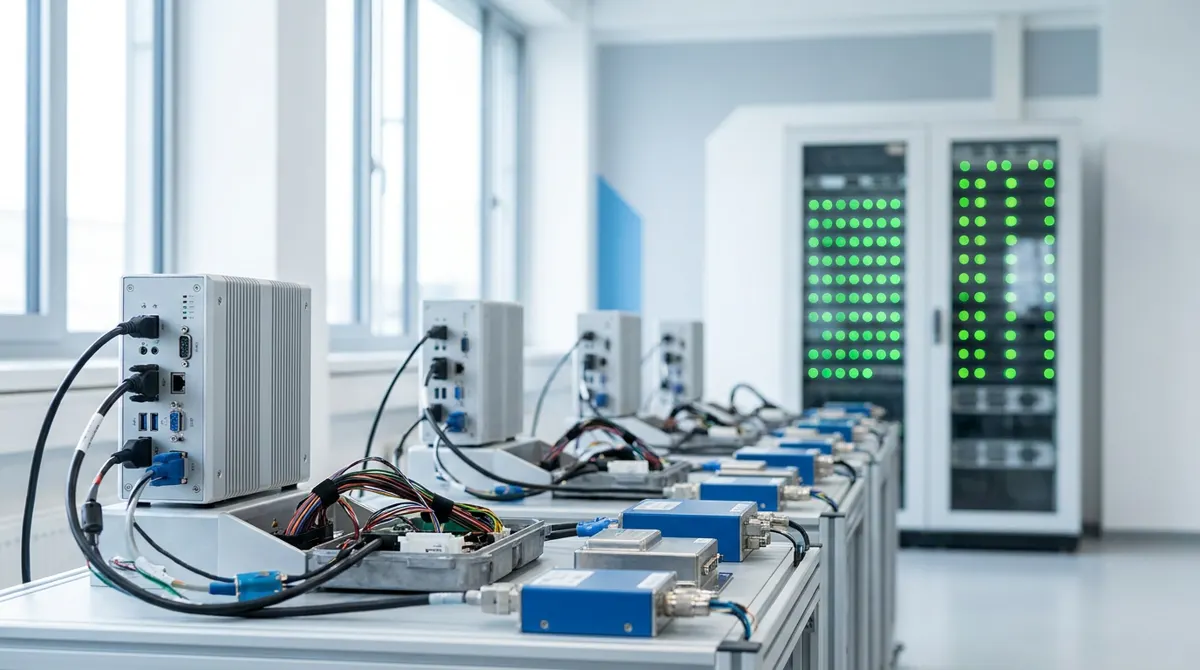
- Test rigs and CI: automated nightly tests and hardware-in-the-loop racks often run on Linux servers.
- SocketCAN: the Linux kernel has a standard CAN interface, so many adapters work without vendor tools.
- Cost and control: no Windows licences on every bench PC, and easier remote management.
What works on Linux in Ecuhawk
- CAN trace with DBC decoding, graphs and filters
- Recording to BLF, ASC and MF4, and offline replay
- UDS diagnostics over ISO-TP
- Rest-bus simulation from DBC, ARXML and LDF
- Panels, Python scripts and HTML/PDF reports
- Power supply and relay control over LAN, USB and serial
In our Ubuntu 24.04 tests the engine, the user interface, the safety supervisor and the .deb installer all ran successfully, with the bench reaching a safe state in about half a second after a forced engine stop.
Getting started on Ubuntu
- Connect a CAN adapter that has a SocketCAN driver.
- Bring the interface up, for example
sudo ip link set can0 up type can bitrate 500000. - Open your project in Ecuhawk and choose
can0as the channel.
Questions
Is there a CANoe alternative that runs on Linux?
Ecuhawk runs on Ubuntu 24.04 as well as Windows and covers trace, diagnostics, panels, test automation and reports. Vector CANoe runs on Windows, with a separate server edition for some Linux use.
Which CAN adapters work on Linux?
Adapters with a SocketCAN driver, including many PEAK PCAN and Kvaser interfaces. Testing with real adapters on Linux is part of the beta.
Can I run ECU tests in a CI pipeline?
Yes. Ecuhawk runs on Linux and its tests can be started without the user interface, which suits nightly and CI runs. A command-line runner is part of the roadmap for the beta.